Overgrown lots before building or selling
Residential lots and rural parcels buried in alder, brush and blackberry, opened up so you, a buyer, a surveyor or a builder can actually see the ground.
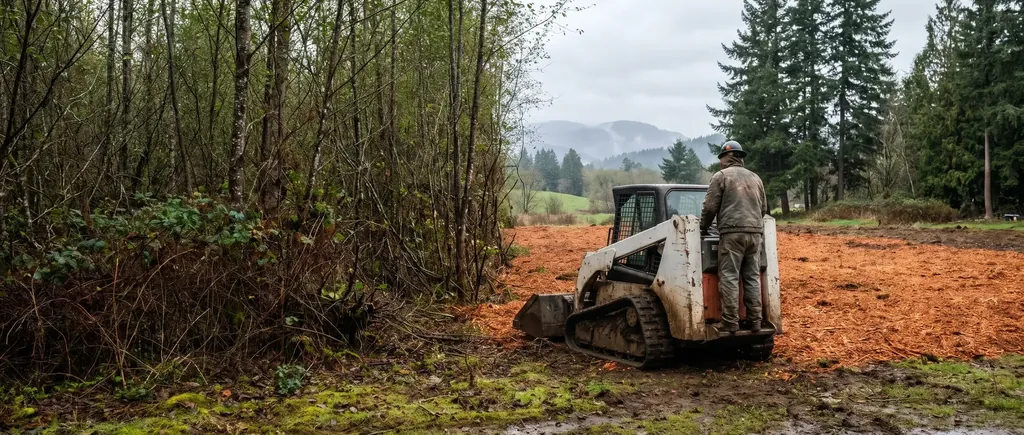
Overgrown lots, alder thickets, blackberry and brush cleared for building, views, pasture or fire safety. The trees worth keeping stay standing.
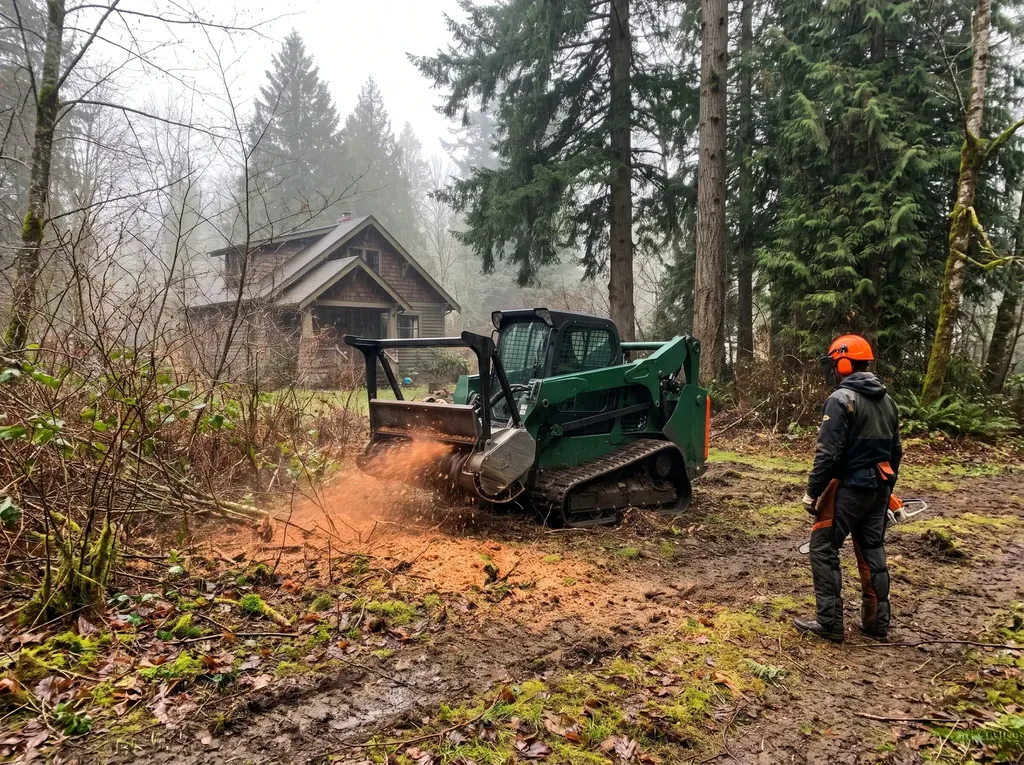
Leave a piece of Whatcom County ground alone for a few years and it will tell you what it wants to be. On logged-over and abandoned ground, red alder comes in thick and fast, often in dense stands of thin, straight stems that crowd each other out. Himalayan blackberry fills every sunny edge, Scotch broom takes over the dry, open spots, and before long a buildable lot or an old pasture is a wall of green you cannot walk through.
We clear that kind of ground for homeowners and small-acreage owners: the lot you bought in Sudden Valley or out toward Deming, the back two acres that used to be a field, the hillside behind the house that has gone over to brush. The work is mostly alder, maple, small conifers, blackberry and broom, with the bigger fir and cedar either kept or taken down as individual trees.
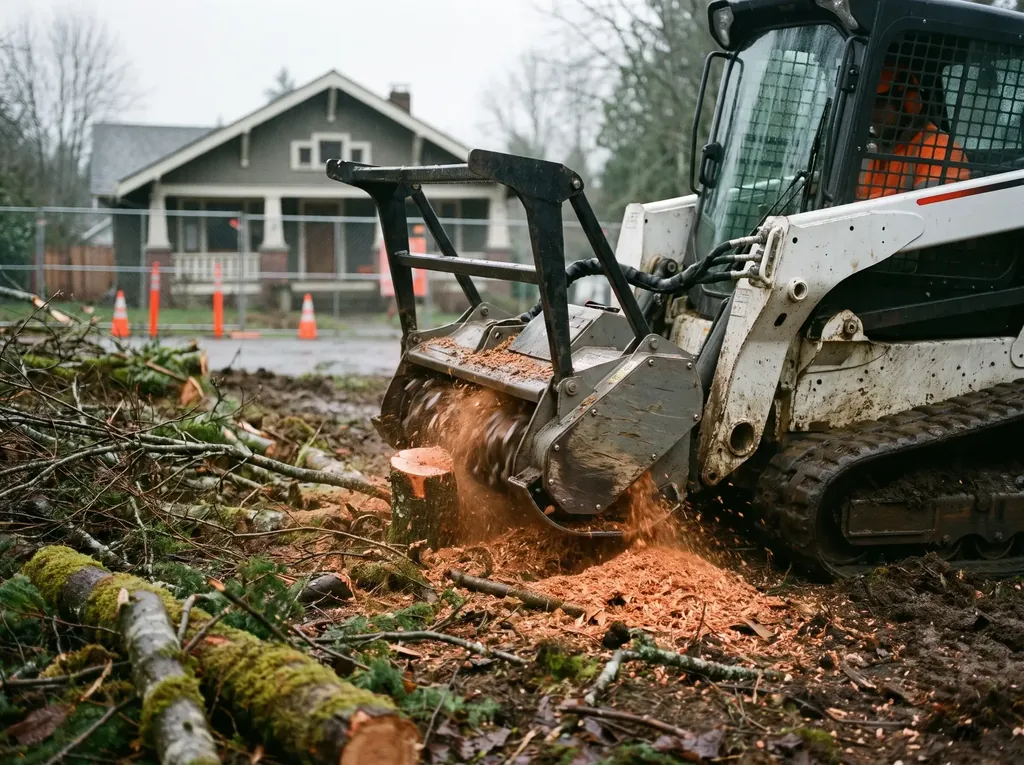
How we clear depends on what you want afterward. Forestry mulching grinds standing brush and small trees into a mat of mulch that stays on the ground and holds the soil. Cut and haul removes the material entirely, which suits a building pad or a field you want to reseed. Most jobs are a mix of the two.
We do not do excavation or grading. If you are building, we clear the vegetation and work around your excavation contractor, who handles the stumps on the footprint, the cut and fill and the driveway.
Clearing land here can come with rules, especially near streams, wetlands, steep slopes, shorelines and in the Lake Whatcom watershed. Larger clearing and any timber sale can need approval from the county or the state. We help you find out what applies before work starts, and we will not clear ground that needs approval it does not have.
Residential lots and rural parcels buried in alder, brush and blackberry, opened up so you, a buyer, a surveyor or a builder can actually see the ground.
Fields that have been creeping inward for years, fence lines lost under blackberry, and alder pushing out from the tree line. Cleared back to where the grass used to stop.
Brush, ladder fuels and small trees cleared from around a house in the foothills, and selective clearing to open a view without stripping the slope.
We walk the property with you, find the lines, and mark what stays: the good fir and cedar, the native shrubs on a bank, the trees screening a neighbour.
A mulching head on a tracked machine grinds brush and small trees where they stand into mulch that protects the soil from erosion and slowly breaks down.
Larger trees inside the clearing area taken down individually, with the wood bucked for firewood, left in a pile for you, or hauled.
Mulch left on site, brush chipped and spread, or everything hauled off so the ground is bare for seeding, building or fencing.
Rough acreage, what is growing on it, how you get in, and what you want it to be when we are done. Aerial screenshots from a map are useful.
We walk it with you, check access, slope and how wet the ground is, and mark the trees and areas to keep.
Before we price the job we look at whether streams, wetlands, slopes or shoreline are involved, so nobody gets surprised halfway through.
What gets cleared, what stays, how the material is handled, and the price, in writing.
Larger trees taken down first, then the brush and small stems mulched or cut and piled, working from the access inward.
A final walk with you over the cleared ground, with notes on what will try to grow back and when it is worth knocking it down again.
We keep what is worth keeping. A good clearing job is mostly about the decisions made before the machine starts. Healthy fir and cedar, mature shade trees and the vegetation holding a bank together all get marked and left.
We are honest about wet ground. Much of Whatcom County is soaked from November to April, and a heavy machine on saturated soil leaves ruts and compaction that last for years. Some jobs are better booked for late summer or early fall, and we will tell you when waiting is the better call.
We know what grows back. Young alder cut at the stump can resprout, blackberry returns from its root crowns, and broom seed sits in the soil for years. We plan for the second season, not just the day of clearing.
We stay inside our lane. We do not do logging, timber sales, excavation or grading, and we will not pretend otherwise. You get a clearing crew that does clearing well and works cleanly alongside the trades that come after.
Tell us roughly how much land and what is on it. We will walk it with you and put a price in writing.
There is not a useful average, because two acres of thin alder on dry, flat ground and two acres of blackberry and mixed timber on a wet slope are entirely different jobs. Cost follows the density and size of the material, the slope, how wet the ground is, how much of it you want kept, and whether the material stays as mulch or gets hauled away.
Expect a forestry mulching quote to be based on how much material there is per acre rather than just the acreage. Light brush mulches quickly. Dense alder and thick blackberry over old stumps take far longer. A fair quote states the area, what stays, how close to grade the mulching goes, and how the edges are finished.
Some operators charge by the machine hour and some by the job. We usually price by the job after walking the property, because an hourly rate tells you nothing about how many hours your ground will take. A job price puts that risk on us.
The mulch stays on the ground, so it is not the right method if you need bare soil for a building pad or seeding right away. Stumps are ground near the surface but not removed. Heavy machines can rut and compact saturated ground. And mulching on its own does not kill blackberry or broom, which come back from roots and seed.
For brush and small trees, forestry mulching is usually the least expensive way to clear a sizeable area, because nothing has to be loaded or hauled away. Cutting and hauling costs more but leaves bare ground. Doing it yourself with a rented machine looks cheaper until you factor in the learning curve, the ruts and the regrowth.
On open, reasonably dry ground, a tracked machine with a mulching head is the fastest and cleanest. On steep slopes, near streams or close to the house, it is handwork: saws, brush cutters and a chipper. Most properties need some of each, with the machine on the open ground and the crew on the edges.
Usually, if you have a clear purpose for the ground. Clearing makes a parcel easier to survey, sell or build on, takes back a lost pasture, opens a view and reduces fire fuel around a house. Clearing without a plan for the regrowth is less worth it, because alder and blackberry will be back within a couple of seasons.
We clear lots and acreage in Bellingham, Ferndale, Lynden, Blaine, Everson, Sudden Valley, Birch Bay, Sumas, Deming and Custer, with a lot of our clearing work on the rural ground east and north of town.
Every area we cover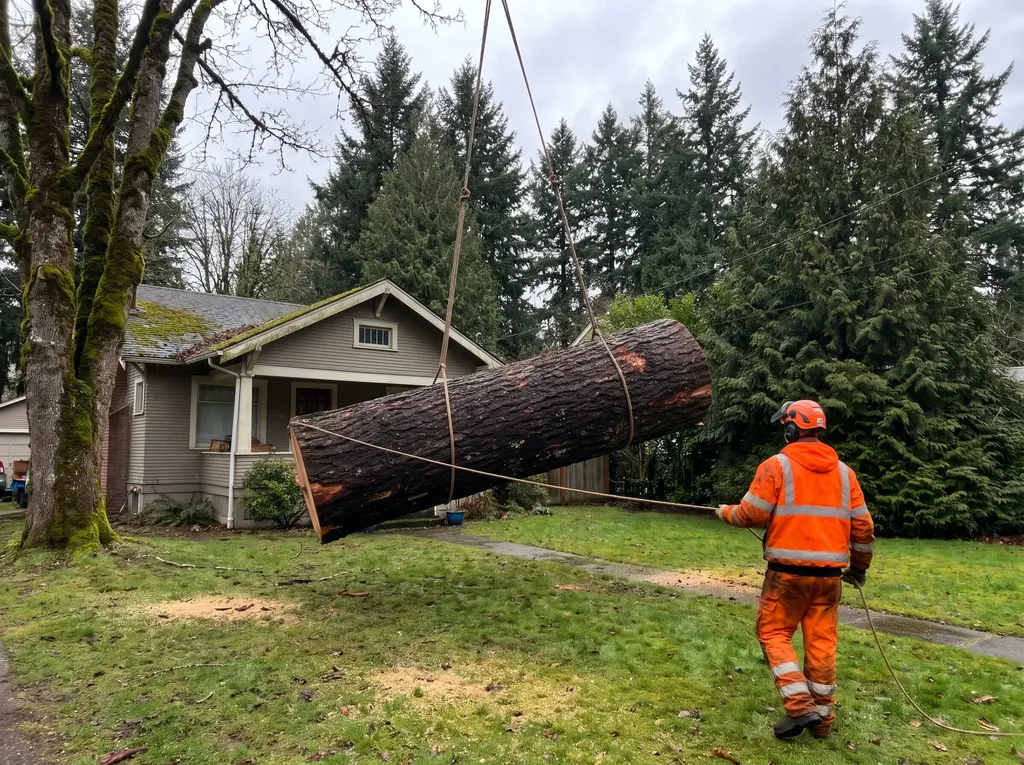
Full removal of trees of any size, including large conifers close to houses, taken down in pieces where there is no room to drop them.
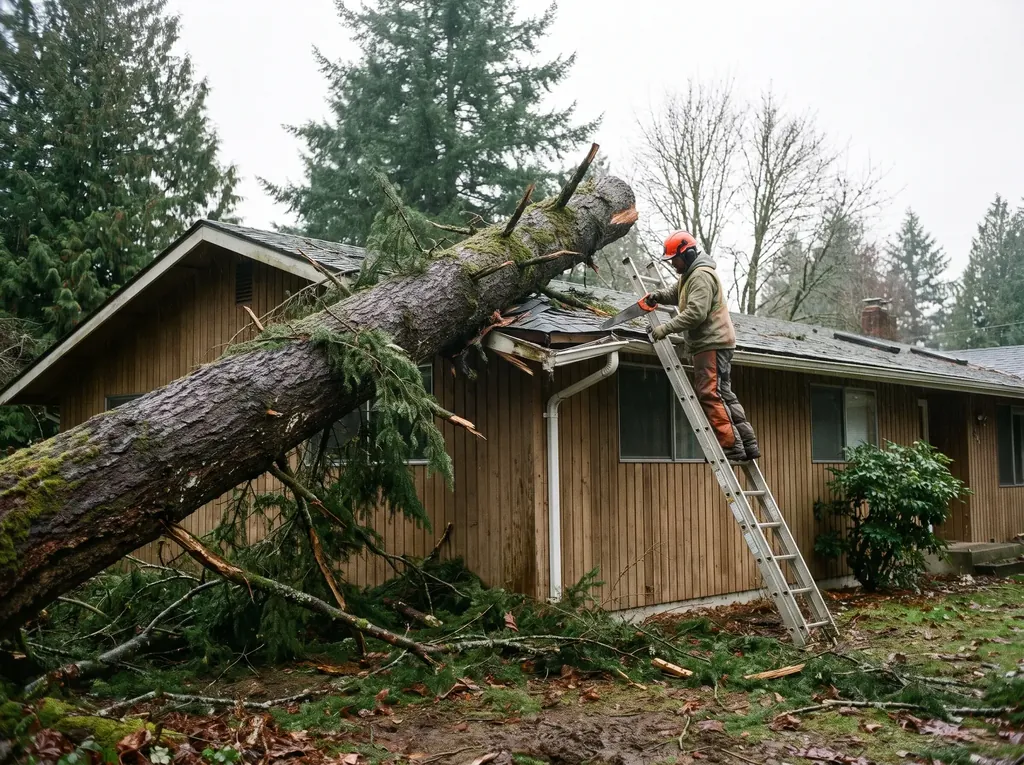
Trees on roofs, cars, driveways and fences after a windstorm, made safe first and cleared after.
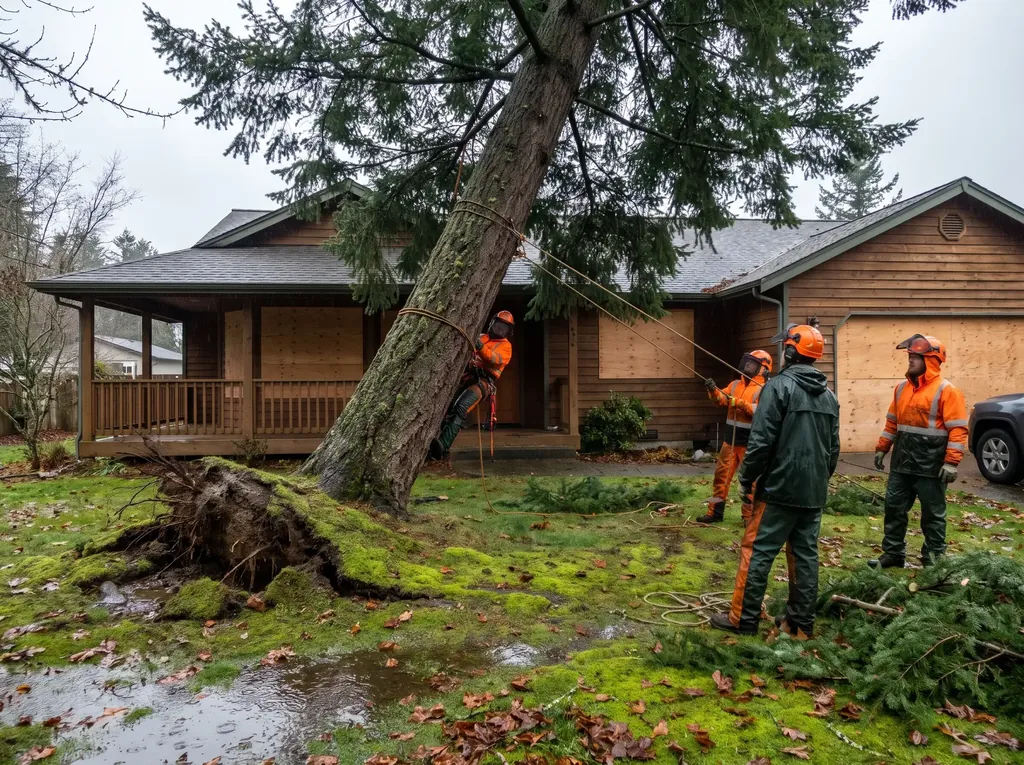
Leaning, cracked, rotting or root-lifted trees taken down before the next storm decides for you.
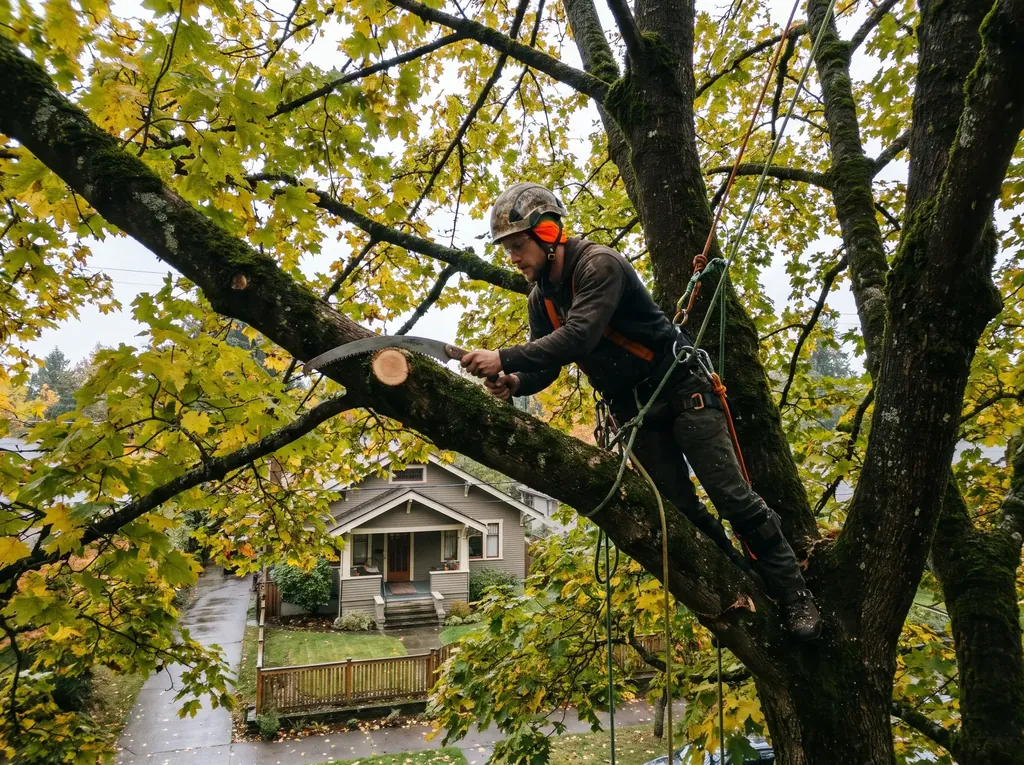
Deadwood removal, crown thinning, crown reduction and clearance from roofs and lines, done for the health of the tree.
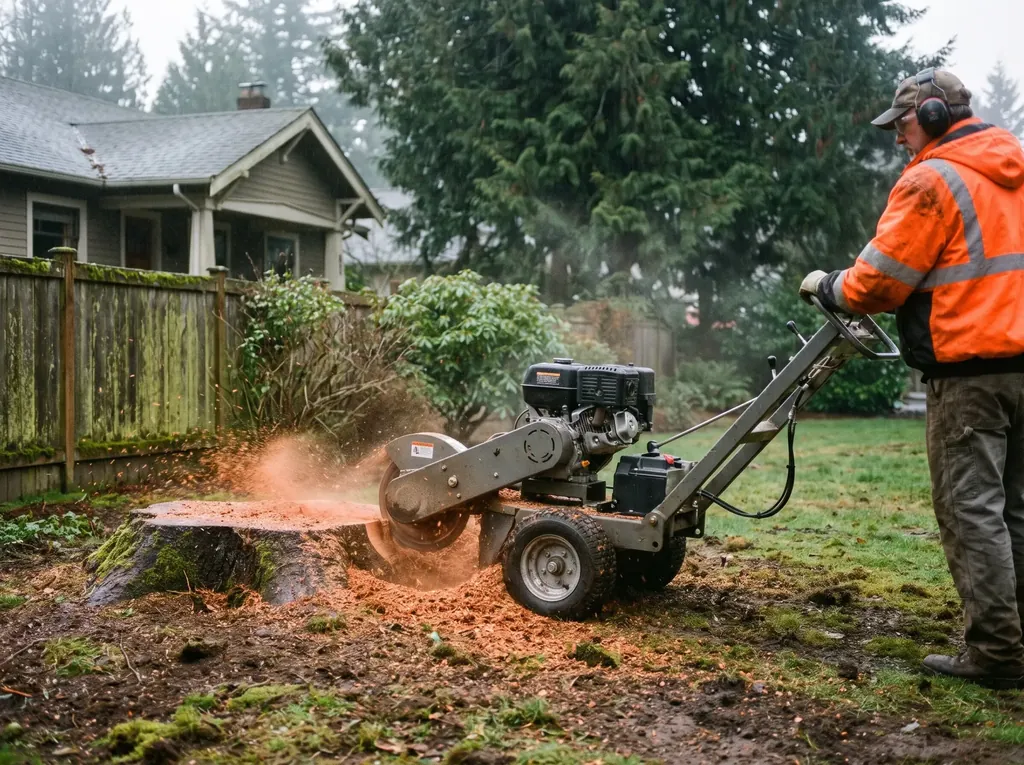
Stumps ground below grade with the chips cleaned up or left as mulch, or pulled out entirely where you are building.
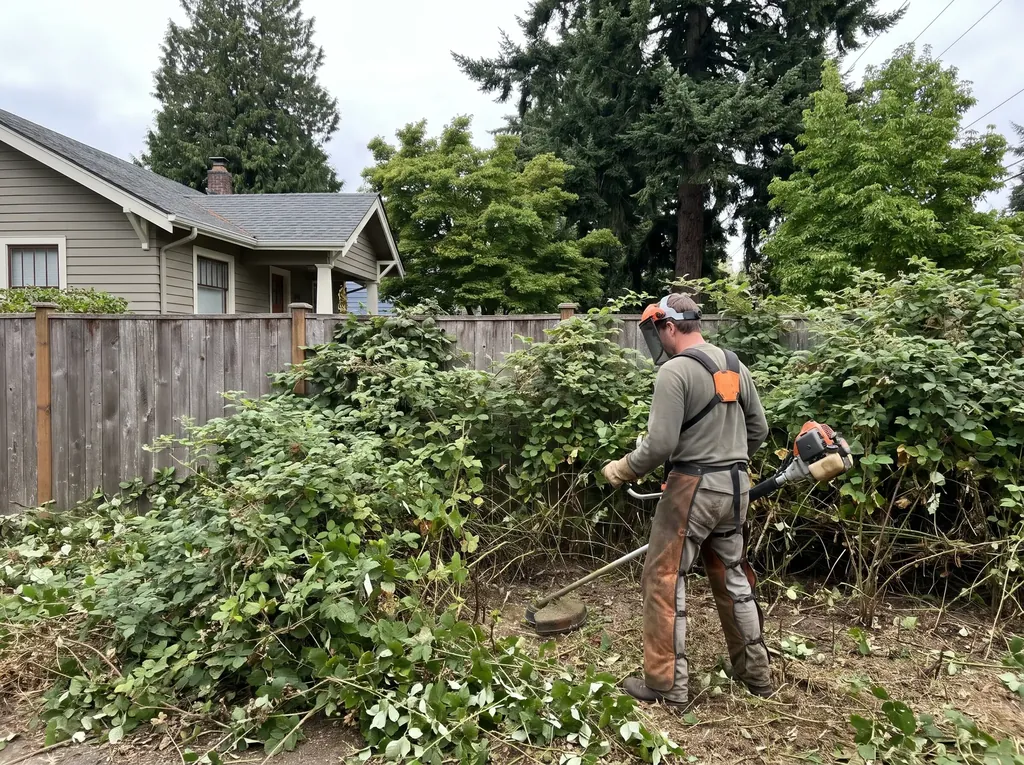
Himalayan blackberry, Scotch broom and invasive brush cut back, cleared and dealt with at the root.
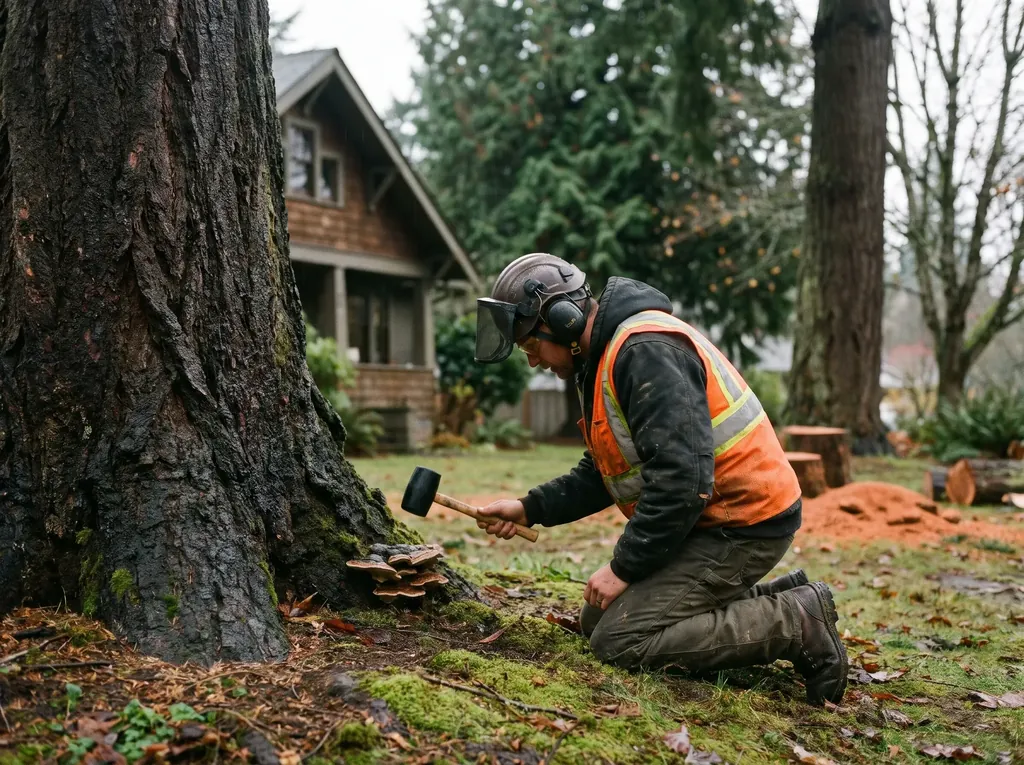
A straight answer on whether a tree is sound, needs work or needs to come down, before you spend money on it.
Tell us where the property is, roughly how much ground, what is growing on it, and what you want to use it for.
We will call or text to set a time to look at the tree. If it is urgent, call (360) 555-0119.
Nothing was sent. Please call (360) 555-0119 and we will set up a time to look at the tree.